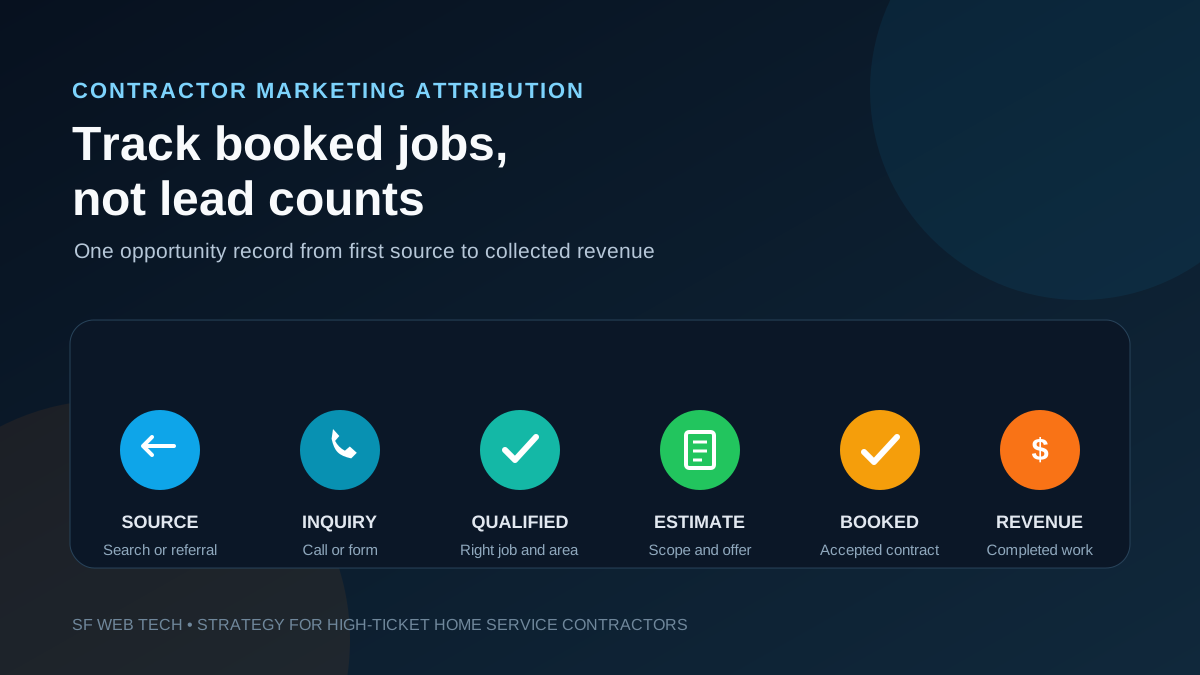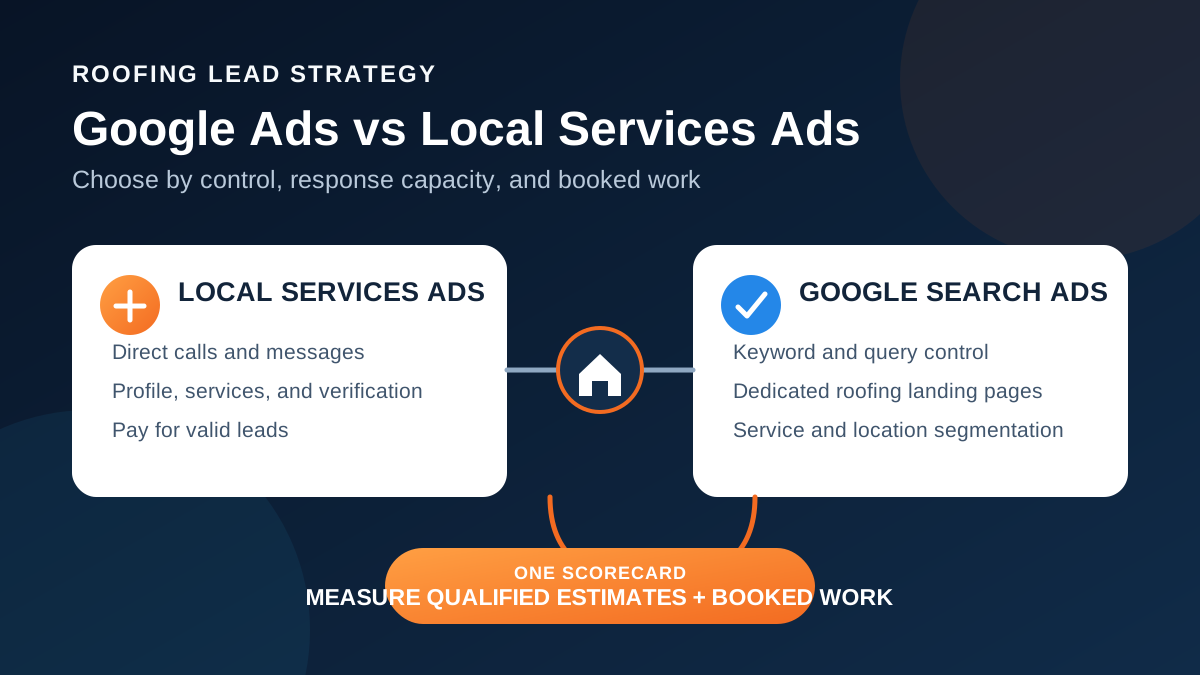
Contractors comparing SEO with Google Ads need a decision based on timing, demand, margins, capacity, competition and measurement. This guide explains how each channel works, where they can complement one another and which evidence should determine the allocation.
SEO and Google Ads create visibility in different ways. Ads can begin serving after campaign approval and budget activation, but clicks and inquiries are never assured. Organic assets can remain useful after publication, but rankings and lead volume can rise or fall. Choose from actual demand, economics, capacity and measurement readiness.
- Can begin serving after approval and activation
- Visibility depends on budget, bids, eligibility and competition
- Charges are tied to the selected campaign model
- Useful for controlled demand tests when measurement is ready
- Requires crawlable assets and ongoing maintenance
- Published pages remain owned assets
- Visibility and acquisition cost can change over time
- Useful when the business can invest beyond one campaign cycle
Review the paid, local, content and attribution work before deciding where the budget goes.
See the full contractor SEO systemHow SEO works for contractors
SEO, search engine optimization, is the work of getting your business to show up in Google's free results when a homeowner searches for what you do. For a contractor that means two specific real estate plays.
Useful content and a well-maintained local presence can continue to support discovery over time. You own the delivered assets, not a search position. Rankings and inquiries can change after services stop, and a prospect who contacts you may also contact competitors.
Organic work should use delivery and evidence checkpoints rather than a universal month-by-month ranking curve:
No agency controls a number-one ranking or a fixed result date. Compare written delivery, ownership and measurement terms in the contractor SEO cost guide.
How Google Ads works for contractors
Search ads can begin participating once the campaign and account are eligible and approved. They commonly charge for clicks, which may not become leads. Launching quickly is different from guaranteeing qualified calls or jobs in the same week.
Ads provide direct budget controls and can create visibility before organic work is established. Ad delivery stops when a campaign is paused or its budget is unavailable, although earlier prospects may still convert later. Auction prices and cost per qualified outcome can improve or worsen as competition, targeting and conversion paths change.
- Unrelated services competing for one budget
- Generic copy disconnected from the query
- Destination that does not explain the advertised service
- Missing or unreliable call and form measurement
- Search-term exclusions without a documented review process
- Campaign structure matched to supported services and volume
- Copy and destinations aligned with verified intent
- Call and form paths tested with appropriate disclosure
- Qualified and paid outcomes retained with the source
- Search terms reviewed with a recorded keep or exclude decision
Advertising performance depends on tracking, offer, market, competition and fulfillment as well as account structure. Our portfolio includes Truscapes Deck Lighting, an e-commerce project whose revenue model differs from contractor lead generation. Keep management and media costs separate when evaluating either.
Compare paid campaigns using qualified inquiries, acquired customers and contribution after fulfillment. A historical e-commerce return should not be treated as a contractor lead-generation forecast.
30-minute strategy session. We'll look at your market and tell you whether to lead with ads, SEO, or both. No obligation.
Book your free discovery callHead-to-head: SEO vs Google Ads
Four useful comparison dimensions are timing, total acquisition cost, durability of delivered assets, and ownership. Add capacity, margins, competition, and measurement readiness before choosing a channel.
Compare channels on scope, cost, controllability and measurement. Ads can be launched without waiting for organic ranking, but require ongoing media budget. SEO develops owned content and technical foundations, while visibility and costs can change over time. Neither channel guarantees a declining acquisition cost or steady leads.
The cost breakdown
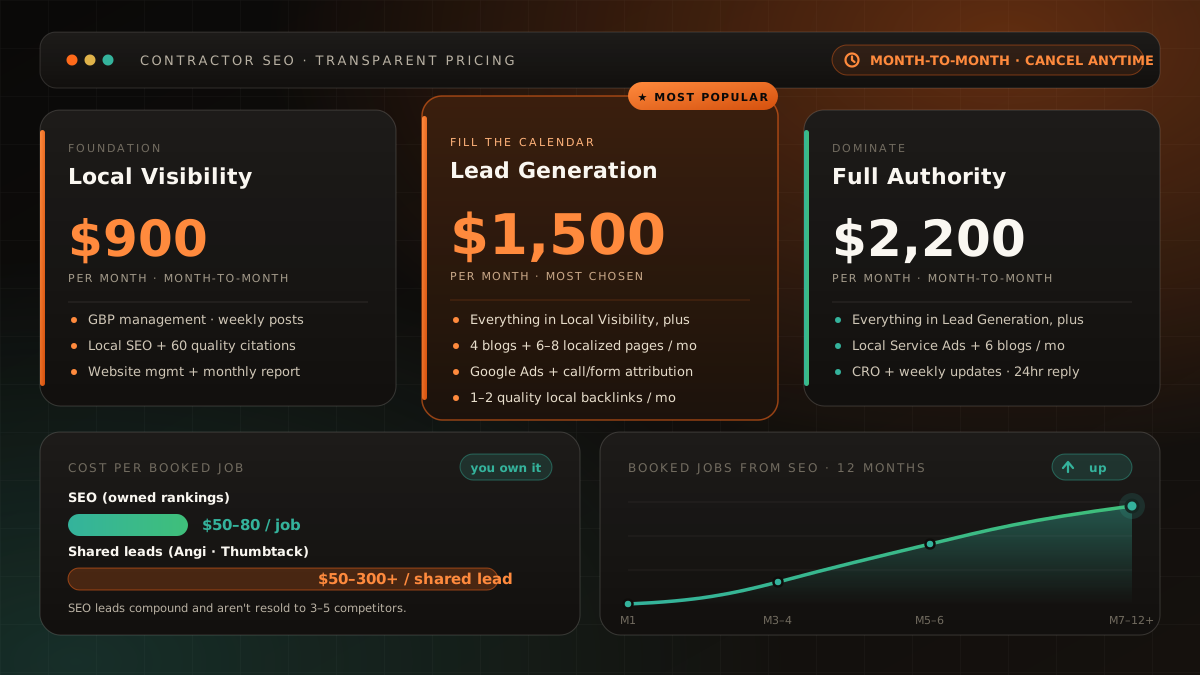
Lead Launch is $1,500/month for paid acquisition. Lead & Local Growth is $2,000/month for paid acquisition, a custom website and ongoing local marketing. Local Authority is $3,500/month for expanded content and local coverage. Advertising is separate, starting at $50/day. All packages are month-to-month. Review the scope and agreed lead target on the pricing page.
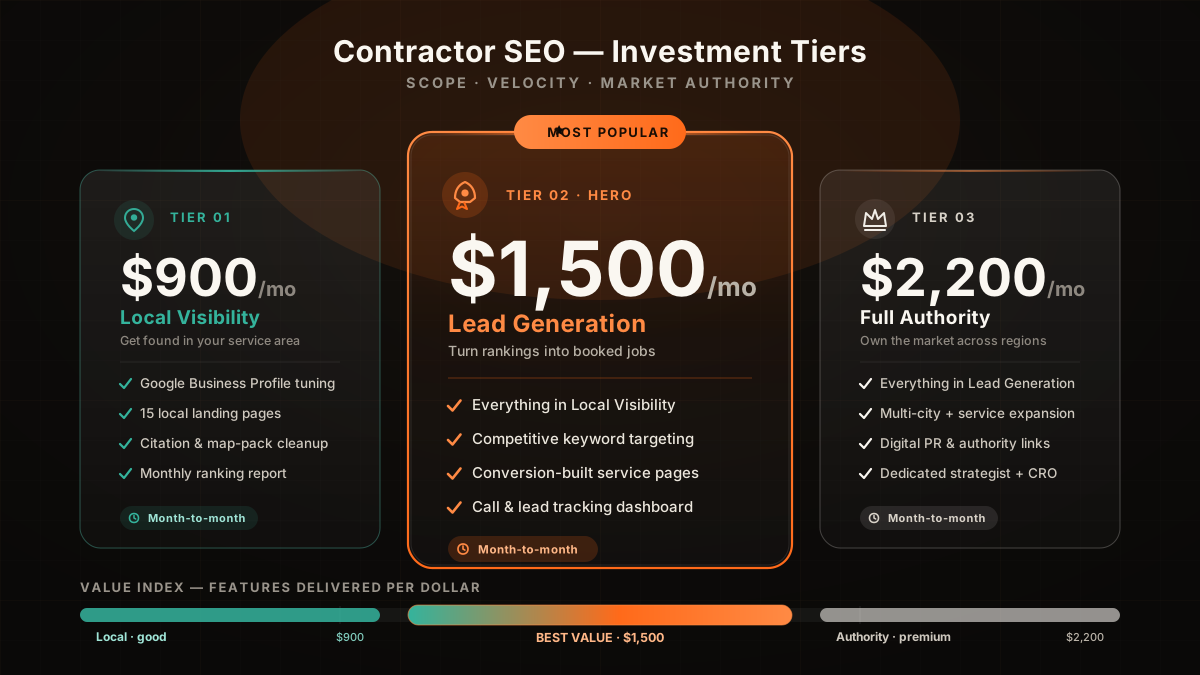
Management and media are separate. For example, Lead & Local Growth costs $2,000/month. A $50/day advertising budget adds approximately $1,500 over 30 days, for about $3,500 combined. You pay the advertising platform directly. Higher market costs may require more media budget. Maintain the agreed budget for the lead-target remedy.
A combined plan can test paid acquisition while improving owned assets. Adjust the agreed budget using qualified-lead evidence and capacity, and maintain the budget required by the written guarantee terms. Organic growth does not automatically replace media spend.
When to choose SEO only
Organic work may deserve priority when the business has capacity, useful evidence, clear services and enough runway to evaluate several cycles. It still needs measurement and maintenance, and it should not be described as a guaranteed cheapest channel.
- You can fund useful owned assets beyond one reporting cycle.
- The business has evidence, clear services and capacity to support useful pages.
- You want to improve customer research paths as well as search discovery.
- Tracking can separate organic inquiries from later estimates and sold work.
Organic work has uncertain timing. If the business requires near-term demand, assess whether a controlled paid test is affordable rather than assuming organic visibility will arrive by a particular month.
When to choose Ads only
Ads can be useful for testing an offer or reaching customers while organic work develops. Eligibility, market costs, budget and follow-up still determine whether the test is suitable. No channel should be sold as guaranteed jobs this week.
- You want a time-bounded demand test with an explicit budget.
- The business has staffed follow-up and enough capacity for additional inquiries.
- You are testing a service or market before commissioning a larger content program.
- Conversion tracking and lead qualification are ready before launch.
- You can fund owned assets beyond one reporting cycle
- The business can provide useful service and project evidence
- You can measure organic inquiries through later sales outcomes
- You want a controlled, time-bounded demand test
- The business can respond quickly to new inquiries
- You are testing a service or market with explicit budget limits
An ads-focused plan can be appropriate when its economics remain acceptable. Preserve account ownership and outcome data, then review whether owned content or local assets could address questions that ads alone do not.
When to use both (the sweet spot)
A combined plan can test paid demand while improving owned assets. Sequence it around budget, delivery capacity and measurement, then adjust only after qualified inquiry and sales evidence is available. Do not assume organic work will replace paid media on a fixed schedule.
Lead Launch at $1,500/month is paid acquisition only. Lead & Local Growth at $2,000/month and Local Authority at $3,500/month combine paid acquisition with website and organic work. Advertising is separate. The written lead minimum is agreed before payment; neither early bookings nor falling costs every month are promised.
The bottom line
Choose paid, organic or combined work from the business’s goals, budget, capacity and measurement plan. Ads do not guarantee jobs today and SEO does not guarantee cheaper jobs later. Compare actual qualified outcomes while maintaining the written scope and budget commitments.
“Use the same qualification and sales definitions for both channels so the comparison reflects business outcomes rather than platform totals.”
A discovery call can clarify market, budget, timeline, capacity, and measurement constraints, but it cannot determine channel fit without account and business evidence. Compare current search demand, media economics, owned-site condition, qualified outcomes, and cash-flow tolerance before deciding where the next dollar should go.
Review demand, budget, capacity, measurement and the next test in a 30-minute discovery call.
Get a free strategy callSources and further reading
- Google Search: SEO Starter Guide
Crawlable links, descriptive page information and content organization. Practical trade examples are SF Web Tech recommendations.
Source checked .
- Google Search: creating helpful content
People-first writing, useful original information and the absence of a preferred word count. Does not substantiate a client result.
Source checked .