
Heavy rain can change basement-waterproofing demand, inquiry urgency and staffing pressure, but the size and timing of the change vary by market and storm. Compare forecasts, historical search terms, qualified calls, drive times and crew capacity before changing bids. Route each campaign to information that matches the problem and test the result against booked inspections and paid work.
Basement-waterproofing click costs vary by market, query, match type, competition and season. Compare current auction data with accepted inquiries, booked inspections, paid work and contribution. A generic destination can obscure which service the visitor needs, so test service-matched information before deciding whether the channel is commercially useful.
Why waterproofing clicks punish sloppy campaigns
Urgency, structural concerns, competition and potential project value can influence the auction, but their effect varies. Segment queries by supported service and intent, preserve real location and qualification data, and use company job economics to decide what the account can responsibly pay.
Budget from actual job economics and qualified-lead data. Weather can affect inquiries, but there is no universal post-storm bidding window or waterproofing job value. Local Services Ads should be considered only where the actual business and service are eligible.
Use weather as a measured campaign signal
Time and weather can change query mix, urgency and serviceability, but the effect is not identical for every click. Compare dry-period and storm-period cohorts using search terms, accepted calls, booked inspections, paid work and capacity. Change bids only within agreed controls and when the measured difference supports a test.
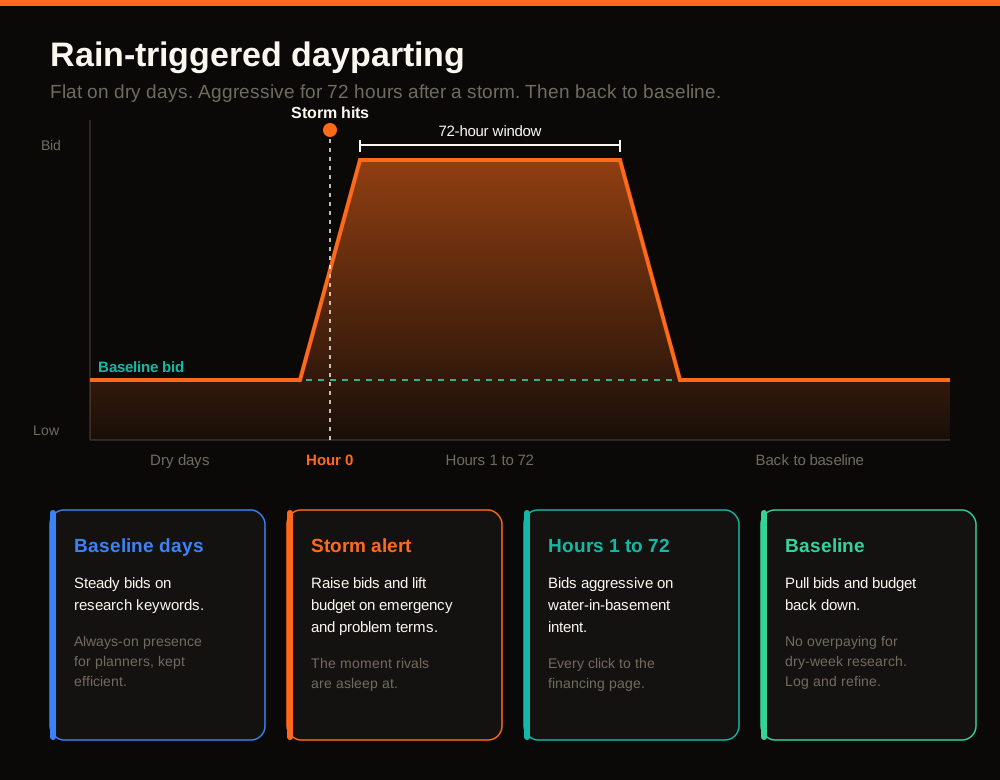
Start with a documented manual process if automation is unnecessary. When significant rain or snowmelt is forecast, record the trigger, supported queries, budget boundary, staffed capacity and review point. Compare the test cohort with an appropriate baseline before keeping, revising or stopping the change.
If weather changes inquiry volume, review actual capacity, search terms and qualified opportunities before changing spend. Keep within the agreed budget controls. There is no universal 72-hour window or requirement to route every visitor through financing.
Match the destination to the advertised service
A homeowner needs to understand how the contractor assesses the concern, develops a scope and provides an estimate. Explain financing only when actually offered, using current provider-approved terms. Do not promise affordability, structural findings or loan approval from an initial inquiry.
A paid-search landing page should match the advertised service and explain the assessment, likely scope variables, evidence, and next step. Where financing is genuinely available, identify the provider, distinguish cash price from financed cost, use approved current terms, and explain eligibility. Test whether that information improves qualified consultations without presenting a payment illustration as universal affordability.
- One clear service and qualification purpose
- Headline describes the supported problem and service
- Verified financing information where genuinely available
- Relevant project or process evidence with permission
- Accurate service area, operating context, and next step
- Phone or form options that match staffed follow-up
- Several unrelated visitor tasks competing for attention
- Broad brand copy without the advertised service context
- Price or financing details absent despite ad messaging
- Media without clear relevance to the request
- Navigation that obscures the next useful step
- Contact path that does not match operating coverage
“A higher-cost repair may require more information before a homeowner requests an assessment. Accurate scope variables, approved financing terms, eligibility context, and a clear next step can reduce uncertainty without implying affordability or approval.”
Campaign structure, dayparting, and landing pages built for high-ticket home-service jobs.
See how we build Google Ads for contractorsLocal Services Ads: the pay-per-lead lane
Compare eligible Local Services Ads with Search using actual qualified inquiries, costs and appointments. Verification requirements, badges and credit processes can change. Check the current account rules rather than assuming every contact qualifies for a refund or meets your own lead definition.
Confirm eligibility and verification before planning an LSA launch. Keep the profile accurate and review charges under the current platform process. A platform-billed lead and a qualified opportunity under the contractor’s sales criteria are not necessarily the same thing.
Build the system in five steps
Separate urgent assessment requests from longer-term planning when the budget supports that structure. Use a service-specific page with an honest process and clear contact route. Review capacity and inquiry evidence after weather events before changing spend, and keep any financing claims tied to current approved terms.
Track media and management costs, qualified inquiries, signed work and contribution. A large contract value does not automatically make an expensive click profitable. Use actual close rates and fulfillment costs before deciding whether to scale.
None of this requires a bigger budget than you already run. It requires spending the budget on the right intent at the right moment, and landing it on a page built to close a large, scary purchase. The waterproofers who lose money on Google Ads are not unlucky. They are bidding flat against the weather and sending panic to a homepage. Fix those two things and the same clicks that were bleeding you start paying for trucks.
We build the storm triggers, the financing page, and the tracking so you just answer the phone.
Want the campaign built for you?The same high-ticket, high-intent playbook for the trade next door.
Read: Google Ads for foundation repair companiesWhere paid search fits alongside organic for a durable pipeline.
Compare: contractor SEO versus Google AdsSources and further reading
- Google Search: SEO Starter Guide
Crawlable links, descriptive page information and content organization. Practical trade examples are SF Web Tech recommendations.
Source checked .
- Google Ads: keyword matching options
How keyword match types relate to search intent; account strategy and examples are editorial recommendations.
Source checked .
- Google Ads: negative keywords
Negative keyword behavior and exclusions. The suggested service exclusions require account-specific review.
Source checked .
- Google Ads: advanced location options
Presence and interest settings and the limits of geographic targeting accuracy.
Source checked .
- Google Ads: average daily budgets
Platform budget and spending mechanics, not a trade-specific CPC or lead-cost forecast.
Source checked .
- Google Local Services Ads: getting started
Eligibility, lead handling and verification. Platform lead-billing criteria differ from a contractor’s sales qualification.
Source checked .
- Google Local Services Ads: Google Verified badge
Current badging and discontinuation of the former Google Money Back Guarantee.
Source checked .