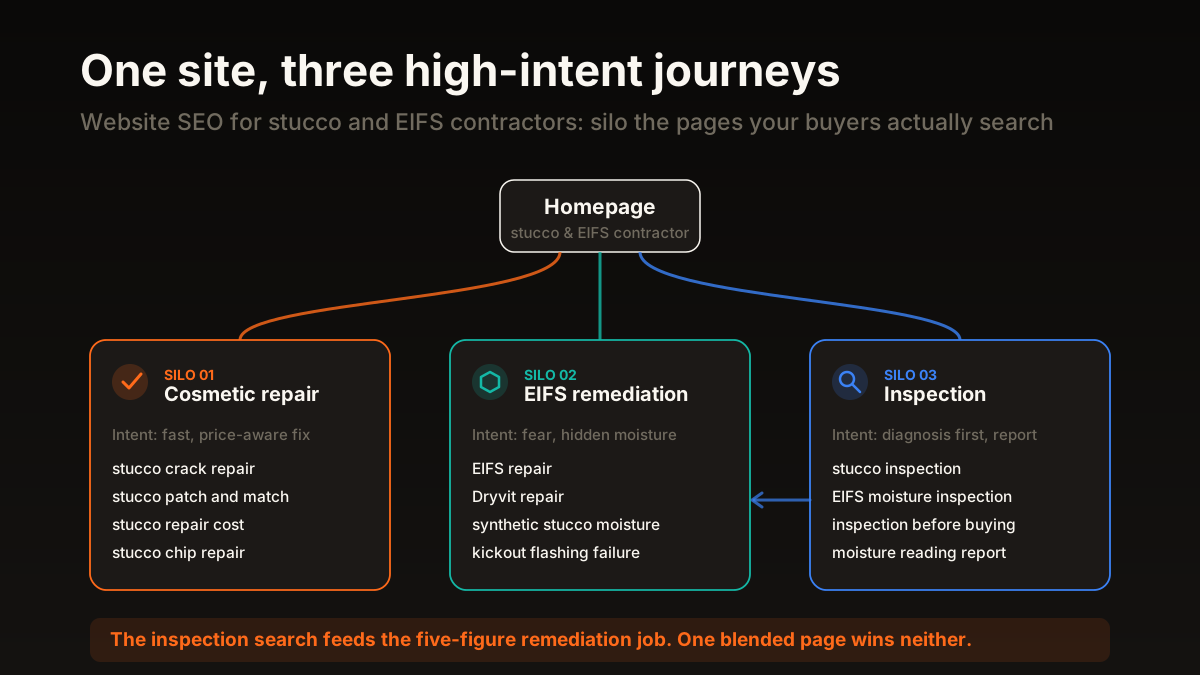
Stucco and EIFS inquiries can begin with different symptoms, materials, and service needs. A single brief services paragraph may not answer questions about cracks, moisture, inspection, repair, or remediation. Organize distinct pages only where the contractor can supply accurate scope, evidence, and next steps, then measure indexing and qualified inquiries.
A visually polished stucco or EIFS site may still provide insufficient information about installation, repair, inspection, moisture concerns, or remediation. Review actual queries, sales questions, supported services, project evidence, and qualified inquiries before deciding which topics need separate pages.
Why the Blended Stucco Page Needs Clearer Service Information
Repair, installation, remediation and inspection can involve different customer questions. Separate them when the business genuinely offers distinct services and has enough useful information for each. A focused page can explain scope more clearly, but one broad page does not automatically prevent rankings and adding URLs alone does not create authority.
Installation, cosmetic repair, inspection, and moisture remediation can involve different questions and risk. Describe the supported scope and diagnostic limits for each. Use interviews, query data, and lead records rather than assigning one emotional state or conversion result to every visitor.
The structural reasons a good-looking site stays invisible.
See why your contractor website is not rankingSeparate service questions when the evidence supports it
Clarify which stucco and EIFS services the contractor actually offers and what information a visitor needs for each. Use separate pages when scope, evidence, search intent, and next steps differ materially; consolidate topics that would repeat the same content.
Inspection may precede a repair or remediation decision when the findings identify a relevant condition. The site can mirror that path with an accurate inspection page and a clear route to supported repair information. Measure qualified inquiries and sold work without assuming either page will rank or close a larger project.
“Inspection and remediation pages can serve different questions. Separate them when scope, evidence and search intent differ, then connect the paths without promising either page wins the project.”
How to Build Siloed Service Pages
A service hub can connect substantial pages for distinct supported services. The right number and structure depend on the contractor’s scope, customer questions, evidence, and query data; no three-page pattern applies to every stucco or EIFS business.
A useful service structure lets a reader identify whether they need an inspection, a repair estimate or a discussion about broader work. Link each substantial page from a service hub, show authorized project evidence and leave property-specific diagnosis to qualified professionals.
- Create a separate service page when search intent, customer need, offer, proof, and next step are meaningfully distinct; consolidate overlapping material.
- Give each indexable page an accurate title and primary heading that describe its subject and audience.
- Add technical detail the company can substantiate, such as assessment methods, common failure conditions, and repair considerations.
- Publish supporting articles when they answer documented customer questions, then link them to the relevant service resource.
- Separate installation, repair, inspection, or remediation content where the business and user journeys support that architecture.
Organize supported services around distinct customer questions, proof, and measurable outcomes.
Review evidence-led contractor site architectureKeyword Mapping Per Silo
Map each page to a clear user need and review overlap before publishing. Related pages can support one another through distinct scope and internal links, while pages that repeat the same purpose may be better consolidated. Confirm the decision with query and landing-page data after indexing.
The same silo playbook, applied to a related trade.
How concrete contractors win website SEOBuild useful diagnostic and service content
A page also needs to help an anxious visitor decide whether the contractor's inspection process fits the problem. Explain what the team assesses, what information is needed, and which conclusions require an on-site evaluation. Use documented project evidence with permission, then measure suitable calls and booked assessments instead of treating a page format as a guaranteed conversion result.
Cost content can help a remediation prospect prepare when it explains the variables, diagnostic limits and next step accurately. Publish ranges only with current supporting evidence and context. Measure qualified inspections and projects rather than using fear or an unsupported conversion claim.
Evidence-led architecture, technical foundations, useful content, and measurable search outcomes.
Review the SEO service for contractorsWhat a blended page may leave unclear
Prioritize the services the company can substantiate and fulfill. A focused remediation or inspection page may help a suitable prospect understand the next step; verify that through inquiry quality rather than assuming every missing page represents lost revenue.
Review the questions received by the office, the services in completed estimates and the evidence available for publication. Use those records to choose the next page. Revisit performance after the page is discoverable and has received enough relevant visits to assess.
Review whether installation, repair, inspection, and remediation represent distinct offers and visitor needs. Split, consolidate, or enrich pages according to real services, evidence, and query data, then connect related resources with clear navigation and internal links.
Related lessons for organizing supported exterior services, project evidence, and inquiry paths.
Review siding website structureAnother evidence-led approach to service information, project proof, and site structure.
Review the masonry website guideMap supported inspection, repair, installation, and remediation topics from real scope, evidence, and query data.
Book a stucco and EIFS site-planning callSources and further reading
- Google Search: SEO Starter Guide
Crawlable links, descriptive page information and content organization. Practical trade examples are SF Web Tech recommendations.
Source checked .
- Google Search: creating helpful content
People-first writing, useful original information and the absence of a preferred word count. Does not substantiate a client result.
Source checked .