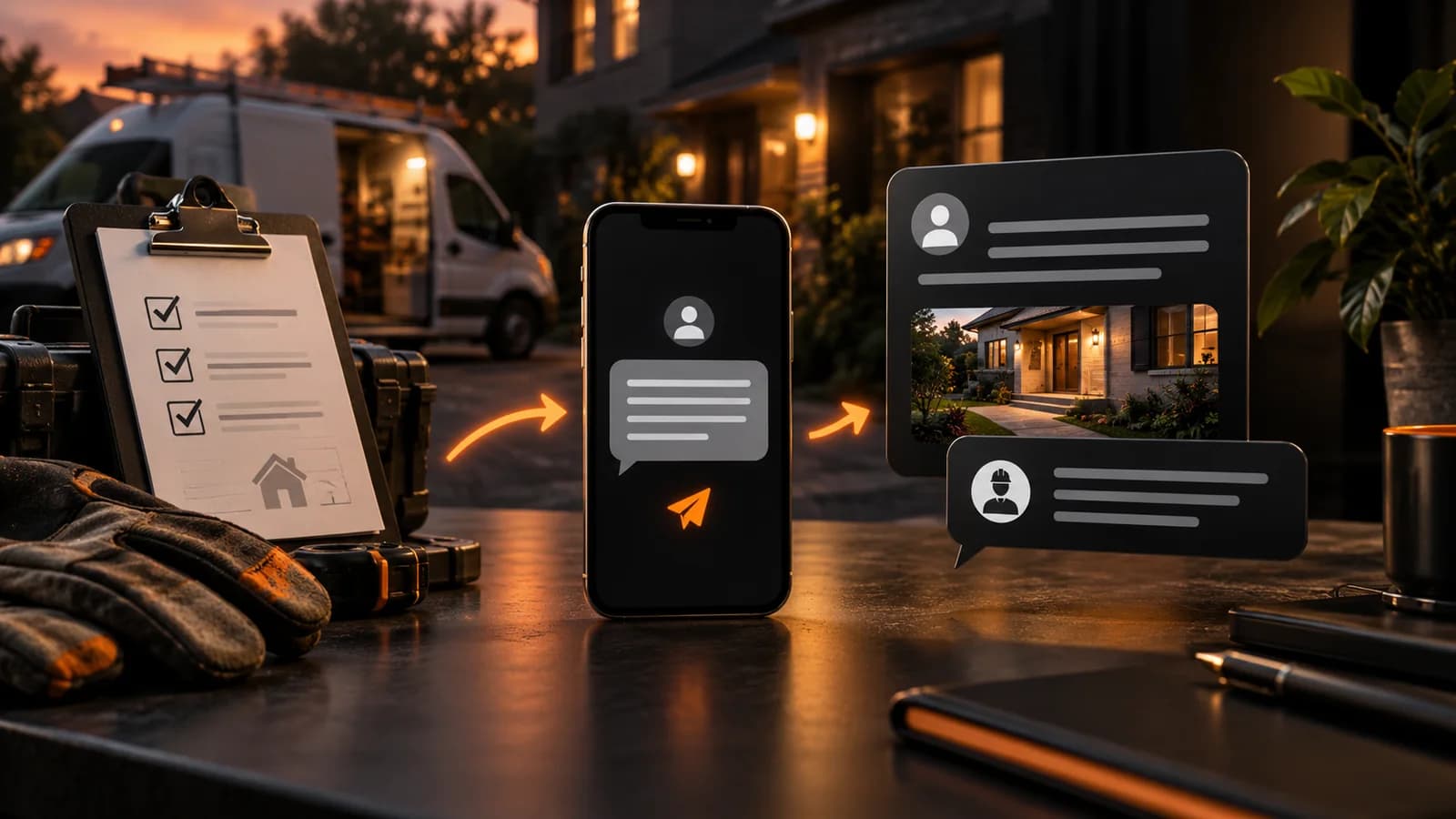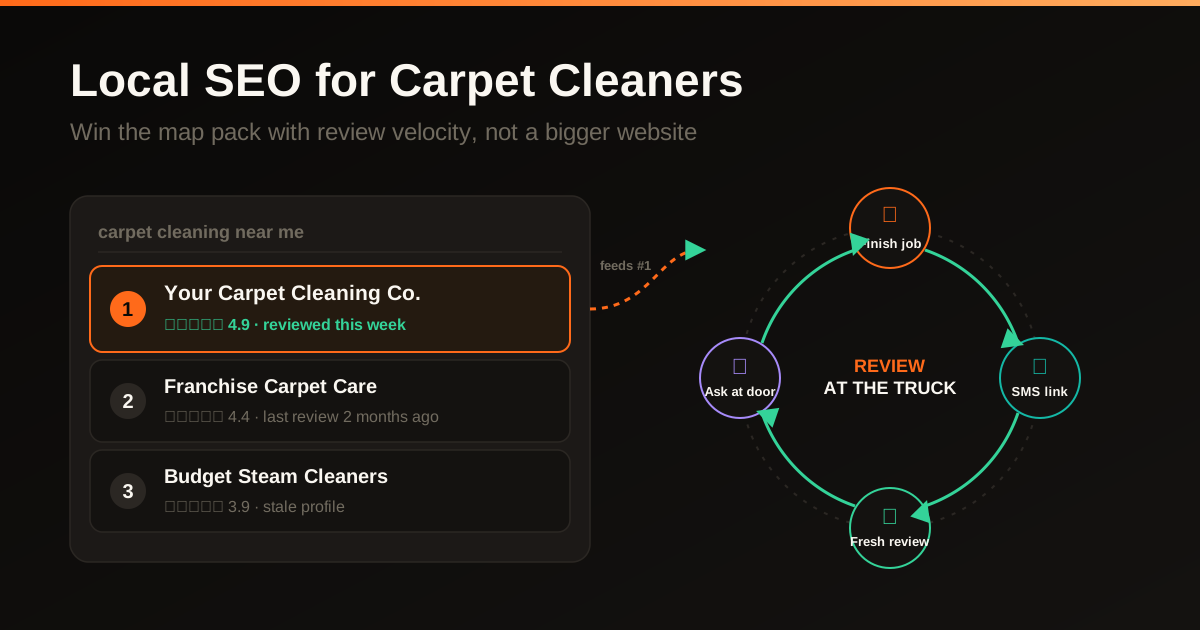
A customer searching for carpet cleaning may compare a franchise with an independent provider across map results, organic pages, directories, advertisements and referrals. Accurate services, coverage, proof and contact information help that customer evaluate fit.
Local results vary by query, searcher location and market. Review visibility in dated context, then connect it to accepted and qualified inquiries instead of assuming one profile signal determines the result.
An accurate profile, real project information and a clear booking route help customers evaluate a carpet cleaner. Search placement depends on multiple factors. A returning customer can choose to update an existing review; repeated visits should not be treated as new five-star reviews on demand.
Why an independent carpet cleaner can be difficult to evaluate
Franchises may have established brands, many location pages and broad link profiles. An independent business can still provide clearer local information, authorized work examples and direct contact, but the competitive baseline needs to be observed rather than assumed.
Focus on accurate categories and services, genuine operating areas, useful project evidence and a responsive contact path. Google describes relevance, distance and prominence as broad local factors and does not publish a shortcut for outranking a franchise.
Compare your own profile and website against customer needs: accurate services, genuine photographs, clear coverage, working contact details and professional responses. Avoid assuming that every franchise has weak content or that an independent business will automatically outrank it.
Build a consistent review request into the completed-job process for eligible customers, without filtering by satisfaction. Keep reminders reasonable and let customers write in their own words. A recurring service relationship can support useful feedback, but it does not guarantee another review or improved ranking.
Five areas to maintain and measure
Use these five areas as an operating checklist. Measure profile accuracy, customer evidence and inquiry quality separately from local search position.
Lever 1: Set up the Google Business Profile like it is your storefront
A Google Business Profile can help customers verify and contact a carpet cleaner. Keep it aligned with the website and the actual business rather than treating it as a replacement for complete service information.
- Choose the most accurate available primary and secondary categories for services the business actually offers.
- Use a monitored phone number that reaches the business and follows the platform's rules.
- Keep identity and contact details materially accurate across active listings.
- Describe actual services in plain language and provide pricing context only when it is supportable.
- Set operating areas the team can genuinely serve.
- Use currently supported booking or contact options and test the customer handoff.
The full profile checklist we run for home-service clients
See how we optimize GBP for contractorsArea 2: use an honest review process
Invite feedback from eligible customers under the same documented rule. Review participation, wording and rating belong to the customer. Recency can matter to a reader, but it is not a published guarantee of local ranking.
An honest review workflow is simple: complete the work, invite feedback, provide a direct review link where appropriate, and respond professionally. Customers decide whether to review, what to say and whether to update an earlier review.
Use a simple process the team can apply consistently:
- After eligible work is complete, invite honest feedback without first screening for satisfaction.
- Provide the correct review link where appropriate and keep participation optional.
- Use an authorized project photograph separately from the review request if it helps the customer record the completed work.
- For recurring customers, choose a reasonable invitation policy that avoids repeated pressure.
- Respond professionally on a schedule the business can sustain.
Do not buy reviews, offer incentives or send only happy customers to Google. The request should invite honest feedback from eligible customers consistently. Google’s Maps contribution policy prohibits fake engagement and selectively soliciting positive reviews.
A neutral invitation and response workflow without promised ratings, counts or rankings.
Build an honest contractor review processArea 3: describe genuine operating areas
Distance affects local results, but an operator cannot create proximity through copy. Prioritize areas the team actually serves and publish a separate page only when distinct service, operating or project information supports it.
- Document the towns or neighborhoods the team genuinely serves and can schedule efficiently.
- Use local terminology only when it helps a customer understand the operating area.
- Evaluate relevant local references or listings for real audience and referral value.
- Prioritize route density and customer fit when selecting areas for deeper content.
Profile accuracy, operating-area evidence, service guidance and lead measurement for home-service businesses.
Local SEO built for home-service prosLever 4: List every service you offer
Describe the services people can actually book. A specific service entry or page section can help when it explains a distinct method, surface, limitation, pricing approach or contact step.
Pages built around distinct customer questions, real services and measurable inquiry paths.
Review website and service-page scopeArea 5: keep customer information and evidence current
Choose a maintenance schedule the team can support. Keep hours, operating areas, contact details and useful project evidence current without claiming a weekly post or photo creates a ranking boost.
- Add authorized project photographs when they help explain a service or completed result.
- Publish an update when the business has useful current information.
- Answer genuine customer questions without inventing them or relying on discontinued features.
- Update hours, closures and operating areas when the business changes.
“A recent review or updated profile may help a customer evaluate the business, but no review count or posting schedule guarantees that one carpet cleaner outranks another.”
A four-week local search foundation
Use this order to improve accuracy, content and measurement:
- Week 1: confirm profile eligibility, categories, services, hours, phone, booking route and operating areas.
- Week 2: establish a neutral review invitation process with one correct link and clear ownership.
- Week 3: improve the highest-priority service and operating-area information using real evidence.
- Week 4: set a maintenance schedule and reconcile accepted and qualified inquiries by source.
An independent carpet cleaner can compete by giving customers accurate local information, useful service detail, genuine evidence and a responsive next step. Review dated search visibility and qualified inquiries before deciding what to expand.
Review profile accuracy, services, operating areas, customer evidence and lead measurement.
Book a carpet cleaning visibility reviewLocal SEO, reviews, and websites for US home-service pros
See our contractor SEO agencySources and further reading
- Google Search: SEO Starter Guide
Crawlable links, descriptive page information and content organization. Practical trade examples are SF Web Tech recommendations.
Source checked .
- Google Business Profile: local ranking guidance
Google’s broad relevance, distance and prominence guidance. No exact ranking weights or guaranteed service-area coverage are stated.
Source checked .
- Google Maps: prohibited and restricted content
Rules against fake engagement, incentives and selectively soliciting positive reviews.
Source checked .