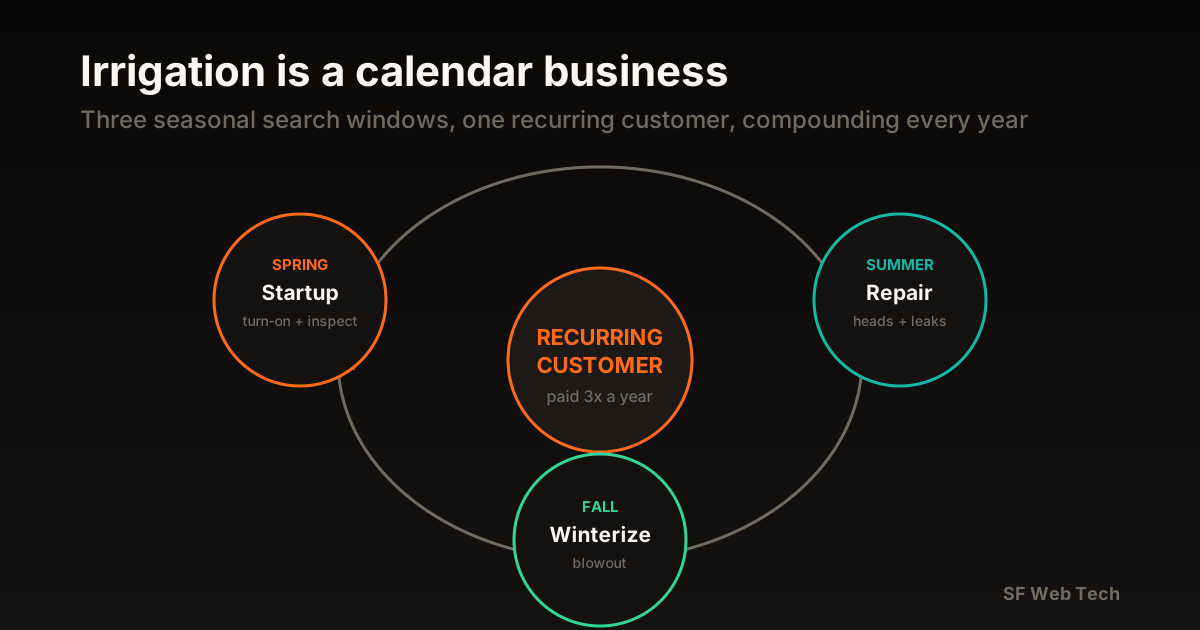
An irrigation customer may need startup, repair, winterization or another service at different points in the year, depending on climate and system. Explain the work the company actually offers, the area it covers and how current customers can schedule follow-up service. Do not assume a prior customer will search again or that a page secures the next visit.
Irrigation services can involve recurring seasonal visits, depending on climate and the system. Explain which services are offered locally and when the contractor accepts bookings. Repeat work and future search visibility should not be promised as automatic revenue.
Why Irrigation Is a Calendar Business
Irrigation demand and repeat-service patterns vary by climate, system and customer mix. Use scheduling, job and inquiry records to identify meaningful service periods. The goal is to answer real customer questions and support retention, not to own a search result.
Use the operator’s own calendar and customer records to plan startup, repair or winterization content where those services apply. The timing and number of seasonal demand periods vary by market.
A completed seasonal visit can create an appropriate follow-up opportunity when the customer has agreed to reminders. Keep customer retention, new search discovery and paid acquisition as separate sources. Record the next service only when it is actually booked.
The Three Seasonal Search Windows
Treat startup, repair and winterization as separate campaigns only when demand, scope or scheduling truly differs. Use the operator’s records to decide which pages, reminders and budgets are justified.
Match the page to the service and current operating capacity. Explain scheduling, inspection and limitations accurately. Publish a response window only when the office can support it, and do not use damage or urgency language to pressure a customer.
Build One Page Per Season, Not One Generic Page
Startup, repair and winterization can answer different customer questions. Give them separate pages when there is enough distinct scope and useful information, while retaining a clear irrigation hub. A single broader page does not automatically fail to rank.
Give each substantial service a clear section or page, and link related guidance from an irrigation hub. Add coverage pages only when they provide verified local information beyond a changed place name.
- Spring startup page: system turn-on, zone testing, spring inspection, and controller programming.
- Repair page: broken heads, leaks, valve and wiring faults, dead zones, and same-week emergency service.
- Winterization page: blowout service, the freeze deadline, and what a cracked line costs to fix.
- Installation page: new system design and smart controller upgrades for higher-ticket buyers.
- Service-area pages: one per core city or neighborhood, linked from every service page.
Organize pages around the real services offered and explain appropriate scheduling. Link related seasonal guidance without duplicating it. The structure should help customers find the correct service, not promise a new ranking asset for every season.
Seasonal service information and local SEO within the agreed package scope.
See our Local SEO serviceGoogle Business Profile: Seasonal Categories and Photos
Keep the Google Business Profile accurate for the year-round or seasonal operating model. Current hours, actual services, genuine photos and working contact paths help customers evaluate the business; none guarantees a map position.
- Set a primary category that matches your core work, then add relevant secondary categories like sprinkler system contractor and irrigation equipment supplier.
- Rotate your profile posts with the calendar: startup tips in spring, repair and leak content in summer, winterization reminders in fall.
- Upload real job photos by season and name the service and city in each caption so the profile stays fresh across the year, not just at turn-on time.
- Fill out your service list with each seasonal service by name so buyers and Google both see the full range.
- Keep your service area accurate to the cities you cover, and match it to your service-area pages.
Update hours, availability and service information when they change, and show genuine work. Posts and photographs are useful customer communication; Google does not promise higher rankings for a fixed posting cadence.
Maintain accurate profile information and document changes without treating activity as a ranking guarantee.
Read: GBP optimization for contractorsThe Recurring-Customer Funnel
Use consented reminders and office records to support appropriate repeat service. Track whether a reminder, direct visit or search produced the inquiry, and do not credit SEO with a future visit until the customer actually contacts or books.
“Seasonal service can support retention when the business delivers well, maintains consent and follows up reliably. The number and timing of repeat visits depend on the customer, climate, system and service agreement.”
Invite honest reviews after eligible completed work
Ask eligible customers for honest feedback in their own words after real work. Do not request seasonal keywords, a preferred rating or a new review for every recurring visit. Review timing and wording do not guarantee local visibility.
A neutral, permission-aware process for requesting and responding to customer feedback.
Read: how to get more Google reviewsThe Payoff: An Asset That Compounds
Evaluate the website by the qualified opportunities and customer service it supports. Owned content can remain useful over time, but needs maintenance and does not guarantee recurring income. Scope and prices for SF Web Tech are set out on the pricing page.
Track new acquisition separately from returning-customer bookings. That distinction helps assess both marketing performance and the value of the service relationship.
Publish useful service information, keep profile details current and maintain consented customer follow-up. Review actual inquiry and repeat-booking data by season, then revise the plan. Search visibility and recurring income are not guaranteed.
Review your real service calendar, coverage, capacity and measurement plan with SF Web Tech.
Book a free strategy callSources and further reading
- Google Search: SEO Starter Guide
Crawlable links, descriptive page information and content organization. Practical trade examples are SF Web Tech recommendations.
Source checked .
- Google Business Profile: local ranking guidance
Google’s broad relevance, distance and prominence guidance. No exact ranking weights or guaranteed service-area coverage are stated.
Source checked .
- Google Maps: prohibited and restricted content
Rules against fake engagement, incentives and selectively soliciting positive reviews.
Source checked .